

Aesthetic Surgery & Treatments
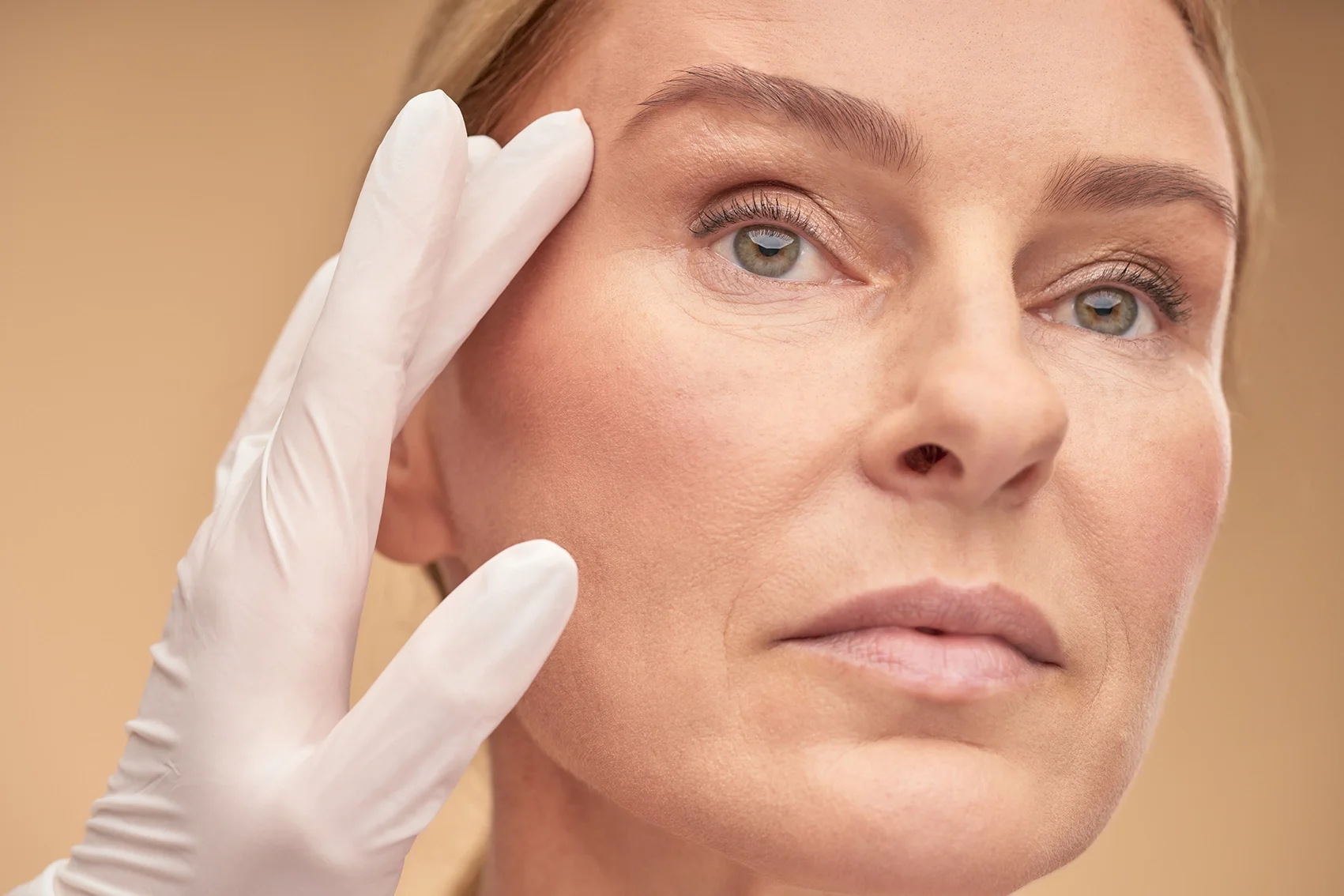
Signs of facial ageing
Common concerns that may prompt consideration of these procedures include:
Lower Face and Neck: Sagging along jawline (jowls), loss of jaw definition, deep nasolabial folds (lines from nose to mouth corners), marionette lines (lines from mouth corners downward), loose or sagging neck skin (turkey neck), platysmal bands (vertical neck lines), and loss of facial volume and definition.
Upper Face: Drooping or heavy brows, horizontal forehead lines, frown lines between eyebrows (glabellar lines), hooded upper eyelids from brow descent, tired or angry resting appearance, and loss of brow arch.
Is facial rejuvenation surgery right for you?
Good candidates typically have visible signs of facial aging causing concern, good skin elasticity (though not essential), realistic expectations about outcomes, good overall health, are non-smokers or willing to quit for extended period, understand results are rejuvenating but not age-reversing, and accept that surgery involves scars (though well-hidden) and significant recovery.
Facial rejuvenation surgery cannot stop aging, create perfection, or fundamentally change your appearance—it refreshes and enhances your existing features.
PROCEDURE & TREATMENT OPTIONS
Comprehensive Assessment and Planning
Assessment includes detailed facial analysis examining skin quality, degree of sagging, bone structure, facial proportions, and symmetry; discussion of specific concerns and aesthetic goals; evaluation of previous facial procedures or treatments; medical history assessment; and photographic documentation from multiple angles.
Understanding your expectations and lifestyle is crucial for planning appropriate procedures.
Facelift Techniques
SMAS Facelift: Addresses the SMAS (superficial musculoaponeurotic system), the layer of tissue beneath the skin. By lifting and repositioning this deeper layer before re-draping skin, results are more natural and longer-lasting. This is considered the gold standard technique.
Deep Plane Facelift: Releases and lifts tissues at an even deeper level, providing dramatic improvement particularly in the midface. Technically demanding with longer recovery but excellent results in appropriate candidates.
Mini Facelift: Less extensive procedure with shorter incisions and recovery, addressing early signs of aging in the lower face and jawline. Suitable for younger patients or those with minimal sagging.
Neck Lift: Can be performed with facelift or independently, addressing platysmal bands, excess skin, and fat deposits in the neck through incisions behind ears and sometimes under chin.
Incision Placement: Typically starts in the temple hairline, follows the natural contour in front of the ear (concealed in natural creases), wraps behind the ear, and may extend into posterior hairline. Skilled placement and closure minimize visible scarring.
Brow Lift Techniques
Endoscopic Brow Lift: Several small incisions are made in the hairline, and an endoscope (small camera) is used to visualize and release tissues. The brow is elevated and secured with small fixation devices. Advantages include minimal scarring and faster recovery.
Coronal Brow Lift: A longer incision across the top of the head within the hairline allows direct visualization and repositioning. Provides excellent control but more extensive approach with longer recovery and potential hairline changes.
Temporal or Lateral Brow Lift: Focuses on lifting the outer brow through small temple incisions, addressing hooding over outer upper eyelids and creating more open eye appearance with minimal invasiveness.
Direct Brow Lift: Incisions made just above the brows allow direct lifting but create more visible scars. Reserved for specific situations, often in men with thick brows that can hide scars.
The choice of technique depends on your anatomy, degree of ptosis (drooping), hairline position, and aesthetic goals.
Combined Procedures
Face and brow lift are frequently performed with blepharoplasty for comprehensive upper and lower face rejuvenation, fat grafting to restore volume in sunken areas, laser resurfacing or chemical peels for skin quality improvement, and neck liposuction for improved contour.
Procedures typically take 3-5 hours depending on extent and combination, performed under general anesthesia in a hospital setting with typically one overnight stay.
Why Choose A/Prof Christian Freudlsperger?
Advanced Facial Anatomy Expertise: Comprehensive training in maxillofacial surgery provides deep understanding of complex facial anatomy, including facial nerve branches and tissue planes—essential for safe, effective facelift techniques.
Natural-Looking Philosophy: Emphasizes subtle, natural enhancement that refreshes appearance while maintaining facial character and movement, avoiding overly tight or operated appearances that compromise natural expressions.
Versatile Technical Skills: Experience with various facelift and brow lift techniques allows selection of optimal approach for your specific anatomy and goals rather than applying a single standard technique.
Comprehensive Approach: Considers all aspects of facial aging and can combine procedures appropriately for harmonious, balanced rejuvenation rather than addressing isolated areas.
RISKS OF SURGERY
Understanding the Risks of Aesthetic Surgery & Treatments
Facial rejuvenation surgery involves significant risks that must be carefully considered.
A/Prof Freudlsperger will discuss all potential risks, benefits, and limitations in extensive detail during your consultation. This is major surgery with significant recovery and realistic understanding of what can be achieved is essential. He provides honest assessment of whether these procedures are likely to achieve your goals.
Common Temporary Effects:
Significant swelling and bruising (extensive, lasting 2-3 weeks)
Tightness and numbness in treated areas
Discomfort rather than severe pain
Temporary difficulty with facial expressions
Visible incisions and scars (initially prominent)
Temporary hair loss around incisions
Feeling of pulling or tension
Potential Complications:
Aesthetic dissatisfaction: Results may not meet expectations, or desired appearance may not be achievable with your anatomy and tissue quality. Over-correction creates unnatural, stretched appearance.
Facial nerve injury: Temporary or permanent weakness of facial muscles causing asymmetric smile, inability to raise brow, or incomplete eye closure. While uncommon with careful technique, this is a serious potential complication.
Visible or unfavorable scarring: Despite careful placement, scars may be visible or heal poorly, particularly in hairline areas or if complications occur
Asymmetry: Some degree of facial asymmetry may persist or develop, as perfect symmetry is not achievable
Skin irregularities: Contour irregularities, puckering, or uneven skin appearance may occur
Hairline changes: Brow lift can raise hairline or cause hair loss around incisions, sometimes permanent
Hematoma: Blood collection under skin requiring drainage (occurs in approximately 1-5% of facelifts)
Seroma: Fluid collection under skin, may require drainage
Infection: Uncommon but can compromise results and worsen scarring
Skin necrosis: Rarely, areas of skin may lose blood supply and die, particularly in smokers, requiring additional treatment
Loss of sensation: Temporary numbness is expected; permanent altered sensation occasionally occurs
Ear deformity: Changes in ear position or appearance, particularly pixie ear deformity where earlobe is pulled downward
Unsatisfactory result: May not improve appearance as hoped or create unwanted changes
Need for revision surgery: Additional procedures may be needed to address complications or refine results
Disappointment with aging process: While results are long-lasting, aging continues and some patients are disappointed by ongoing changes
Specific Risk Factors:
Smoking dramatically increases serious complications including skin loss, poor healing, and infection
Medical conditions affecting healing (diabetes, autoimmune disorders, blood clotting problems)
Previous facial surgery, radiation, or trauma increases complexity and risk
Certain medications must be discontinued
Age and tissue quality affect outcomes
Realistic Expectations:
Recovery is significant, with visible bruising and swelling for weeks
Final results take 6-12 months as swelling completely resolves and tissues settle
Scars are permanent, though usually well-concealed
Some tightness or altered sensation may persist for months or permanently
Results are not permanent—aging continues, though you'll look better than if you hadn't had surgery
Perfect symmetry is not achievable
Facial expressions may feel and appear different, requiring adjustment period
Some patients experience emotional adjustment to their changed appearance
Minor imperfections that wouldn't be noticed by others may be visible to you
Not everyone achieves dramatic improvement—results depend on tissue quality and degree of aging
Lifestyle factors (sun exposure, weight fluctuations, smoking) affect longevity of results
BOOK YOUR APPOINTMENT
Schedule Your Facial Rejuvenation Consultation
If you're considering aesthetic treatments to address signs of aging, contact our rooms for a comprehensive consultation. A/Prof Freudlsperger will provide honest assessment of what can be achieved and whether these procedures are appropriate for your goals.