

Oral Cancer, Head and Neck Cancer
Specialist diagnosis, cancer surgery and reconstruction
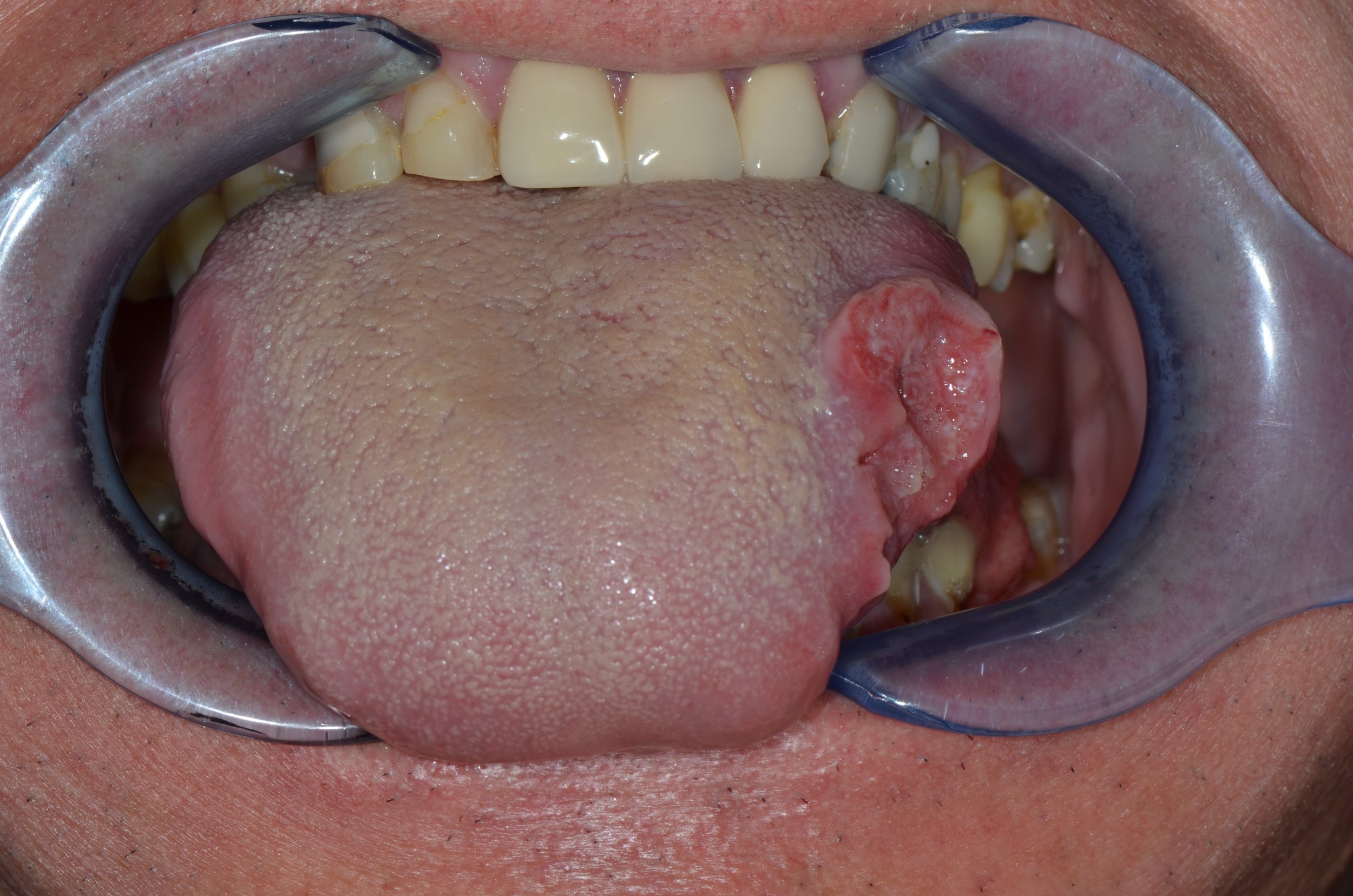
A persistent mouth ulcer, lump, red or white patch, unexplained bleeding, numbness, difficulty swallowing or swelling in the mouth or neck should be assessed promptly. Most oral changes are not cancer, but early examination and biopsy where appropriate are important because treatment is generally less extensive and outcomes are better when disease is identified at an early stage.
Oral and head and neck cancer treatment requires more than removal of a tumour. Careful planning must also consider speech, swallowing, chewing, breathing, appearance and long-term quality of life. Treatment may involve tumour removal, management of the lymph nodes in the neck, reconstructive surgery and coordinated rehabilitation.
Associate Professor Christian Freudlsperger provides specialist assessment, oral cancer surgery and head and neck reconstruction. He has more than 20 years of international oral and maxillofacial surgical experience and previously worked as Associate Professor and Deputy Medical Director at University Hospital Heidelberg, where his work included oncological surgery and complex microvascular reconstruction within the Heidelberg multidisciplinary cancer environment.
In Auckland, he is Service Clinical Director of the regional Oral and Maxillofacial Surgery service and a member of the Southern Cross Head and Neck Service. Patients diagnosed with cancer are reviewed through Auckland’s regional multidisciplinary head and neck cancer process, bringing together surgeons, pathologists, radiologists, medical and radiation oncologists, specialist nurses, dentists and rehabilitation teams.
UNDERSTANDING THE CONDITION
What Are Oral and Head and Neck Cancers?
Head and neck cancer describes a group of malignant conditions arising within areas such as the:
Lips and oral cavity
Tongue and floor of the mouth
Gums and jawbones
Inner cheek and palate
Oropharynx and throat
Salivary glands
Nasal cavity and sinuses
Lymph nodes of the neck
Oral squamous cell carcinoma is the most common cancer arising from the lining of the mouth. Head and neck cancers can affect structures essential for speech, chewing and swallowing, so treatment aims to achieve effective disease control while preserving or restoring these functions wherever possible
WHAT ARE THE SYMPTOMS?
Warning Signs
Please seek assessment for:
A mouth ulcer that has not healed within two weeks
A persistent red, white or mixed red-and-white patch
A new lump, swelling or area of thickening
Unexplained bleeding in the mouth
Persistent oral or throat pain
Numbness of the tongue, lip, chin or other oral tissues
Difficulty or pain when chewing or swallowing
Reduced tongue movement or speech changes
A non-healing extraction socket
An unexplained loose tooth
Persistent hoarseness or throat symptoms
A new or enlarging neck lump
Risk Factors
Recognised risk factors include:
Tobacco smoking or smokeless tobacco
Heavy alcohol consumption, particularly together with tobacco
Human papillomavirus, especially for cancers of the tonsils and base of tongue
Previous oral potentially malignant disorders
Previous head and neck cancer
Immunosuppression
Increasing age
Excessive sun exposure for lip cancer
Cancer can also occur in people without recognised risk factors. New or persistent symptoms should therefore be assessed regardless of smoking or alcohol history.
ASSESSMENT & PLANNING
Diagnosis & Staging
Assessment begins with a detailed history and examination of the mouth, face and neck.
Investigations may include:
Clinical photographs
Flexible endoscopic examination where appropriate
Incisional or excisional biopsy
Ultrasound-guided needle biopsy of a neck lump
CT, MRI or PET-CT imaging
Dental and jaw imaging
Blood tests and anaesthetic assessment
Histopathological and molecular testing
A biopsy removes a small sample of tissue for examination under a microscope. It establishes the diagnosis and provides information needed to plan treatment.
Where cancer is confirmed, imaging and clinical examination determine its extent, relationship to nearby structures and whether lymph nodes or other areas are involved.
Multidisciplinary Treatment Planning
Confirmed oral and head and neck cancers are generally reviewed at a multidisciplinary meeting. The team considers the pathology, imaging, medical fitness, dental needs, treatment alternatives and expected functional consequences before recommending a plan.
The Northern Region framework supports integrated care involving oral and maxillofacial surgery, head and neck surgery, radiology, pathology, medical and radiation oncology, oral health, specialist nursing and allied health services.
PROCEDURE & TREATMENT OPTIONS
Surgical Approaches
Surgery depends on the type, location and stage of the cancer and may include:
Removal of the Primary Tumour
The tumour is removed together with an appropriate margin of surrounding tissue. The objective is complete cancer removal while preserving as much healthy tissue and function as safely possible.
Procedures may range from a small local excision to more extensive surgery involving the tongue, floor of the mouth, gums, jawbone, palate or adjacent structures.
Neck Dissection
Oral cancers can spread to lymph nodes in the neck. Depending on the tumour location, depth and stage, removal of selected lymph-node groups may be recommended even when the nodes do not appear enlarged on imaging.
Modern selective neck dissection aims to remove lymphatic tissue at risk while preserving important nerves, muscles and blood vessels wherever oncologically appropriate.
Additional Cancer Treatment
Depending on the final pathology, surgery may be followed by:
Radiation therapy
Combined chemoradiotherapy
Systemic therapy or immunotherapy
Clinical surveillance alone
The recommendation depends on surgical margins, lymph-node findings, tumour biology and other pathological risk factors.
Reconstructive Options
Small defects may be closed directly with sutures. Larger defects require reconstruction:
Local Flaps: Nearby tissue is rearranged to fill the defect, maintaining similar tissue quality and color match. Various flap designs exist for different locations (forehead, cheek, nose, lip, ear).
Skin Grafts: Skin from another area is transplanted to cover the defect. Full-thickness or split-thickness grafts selected based on location and requirements.
Regional Flaps: Tissue from nearby areas (neck, chest) is transferred while maintaining its blood supply.
Free Tissue Transfer: For extensive defects, tissue from distant body areas can be transferred using microsurgical techniques to reconnect blood vessels.
A/Prof Freudlsperger's extensive reconstructive experience ensures optimal aesthetic outcomes while maintaining facial function and expression.
Why Choose A/Prof Christian Freudlsperger?
Specialist Oncological Expertise: Associate Professor Christian Freudlsperger has extensive experience in oral cancer surgery, neck dissection and treatment of complex head and neck tumours developed within major university and multidisciplinary cancer services in Germany and New Zealand.
Advanced Reconstructive Surgery: His experience includes local and regional reconstruction, microvascular free-tissue transfer, jaw reconstruction and implant-based oral rehabilitation following cancer surgery.
Integrated Regional Cancer Care: As Service Clinical Director of Auckland’s regional Oral and Maxillofacial Surgery service, he works within the regional head and neck cancer pathway and multidisciplinary meeting structure.
Southern Cross Head and Neck Service: Associate Professor Freudlsperger is part of the Southern Cross Head and Neck specialist team, offering coordinated private assessment and treatment planning for oral and head and neck cancer in Auckland.
RISKS & RECOVERY
Understanding the Risks
Surgical treatment of skin cancer carries potential risks: scarring (inevitable but minimized through expert technique), bleeding and infection (uncommon), nerve injury affecting facial movement or sensation (depends on tumor location), incomplete excision requiring additional surgery, cancer recurrence (higher risk with inadequate margins or aggressive tumors), flap or graft complications (poor healing, partial loss), and need for additional treatment (radiation therapy for high-risk cancers).
A/Prof Freudlsperger will discuss all potential risks, benefits, and alternatives specific to your individual case in detail during your consultation, ensuring you have a complete understanding before proceeding with treatment.
What to expect during your recovery
Recovery varies considerably.
Minor oral cancer surgery
Small tumours may be treated with a short hospital stay or day procedure. A temporary soft diet and several weeks of healing may be required.
Surgery with neck dissection
Hospital care is usually required. A drain may be placed temporarily, and shoulder, neck and swallowing exercises may form part of recovery.
Major surgery with free-flap reconstruction
More extensive surgery may require a longer hospital admission, temporary airway or feeding support and coordinated rehabilitation. Speech and swallowing recovery continues over weeks to months.
Follow-Up and Surveillance
Regular follow-up is essential after oral or head and neck cancer treatment. Reviews may include:
Examination of the mouth and neck
Surveillance imaging where indicated
Dental and oral-health care
Speech and swallowing review
Nutritional monitoring
Management of treatment-related effects
Support with smoking and alcohol cessation
Assessment for recurrence or a new primary cancer
Planning of dental or implant rehabilitation
Frequently Asked Questions
1. Does a mouth ulcer mean I have oral cancer?
Usually not. Mouth ulcers are common and often result from trauma, infection or inflammation. However, any ulcer that has not healed within two weeks should be assessed by a dentist, GP or oral and maxillofacial surgeon.
2. What happens during an oral cancer biopsy?
The area is numbed with local anaesthetic, and a small tissue sample is removed. The sample is examined by a specialist pathologist. Most biopsies are brief procedures, and discomfort is usually manageable with simple pain relief.
3. Is oral cancer curable?
Many oral cancers can be treated successfully, particularly when identified early. The outlook depends on the tumour type, size, location, lymph-node involvement, general health and response to treatment. Early detection and timely treatment are important.
4. Will part of my tongue or jaw need to be removed?
Not every patient requires extensive surgery. The amount of tissue removed depends on the tumour’s size and location. When removal of tongue, jaw or other tissue is necessary, reconstruction is planned to restore function and appearance as effectively as possible.
5. Can speech, swallowing and chewing be restored after oral cancer surgery?
In many patients, these functions can be preserved or substantially restored. The result depends on the site and extent of treatment. Reconstruction, speech-language therapy, swallowing rehabilitation, dental care and implant-supported prostheses may all contribute to recovery.

BOOK YOUR APPOINTMENT
Expert Surgical Care for Facial Skin Cancers
Please arrange an assessment if you have a mouth ulcer lasting longer than two weeks, a persistent red or white patch, an unexplained lump, bleeding, numbness, swallowing difficulty or a neck swelling.
Associate Professor Christian Freudlsperger welcomes referrals from dentists, GPs, oral medicine specialists, ENT and head and neck surgeons, oncologists and other medical specialists. Patients may also access Southern Cross Head and Neck Services through medical referral or self-referral.